Year 2 science lesson plans: Why should we change the way we travel?
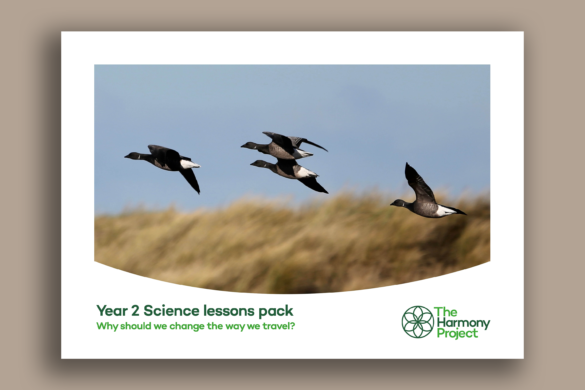
Lesson plans to support children's learning about the uses of everyday materials and healthy forms of travel
This pack features six sequenced lesson plans that deliver National Curriculum requirements for Year 2 relating to Uses of everyday materials. They build on children’s prior science learning in Year 1 linked to the learning enquiries What stories could our toys and games tell? and What will we find at the seaside?
The lesson plans provide opportunities for children to learn about healthy forms of travel and how Nature has inspired the design of many familiar forms of travel – all through the lens of everyday materials and their uses. Each lesson plan includes ideas to help adapt the learning to the needs of all learners and highlights links that can be made between the learning and the school’s Climate Action Plan. Supporting resources are included.
These science lesson plans form part of the learning enquiry Why should we change the way we travel?, linked to the principle of Adaptation.
Which areas of the National Curriculum are covered?
The lessons in this pack deliver the following National Curriculum statutory requirements for Year 2:
Uses of everyday materials
- Identify and compare the suitability of a variety of everyday materials, including wood, metal, plastic, glass, brick, rock, paper and cardboard for particular uses
- Find out how the shapes of solid objects made from some materials can be changed by squashing, bending, twisting and stretching
Lesson 1: How are these shoes made for walking?
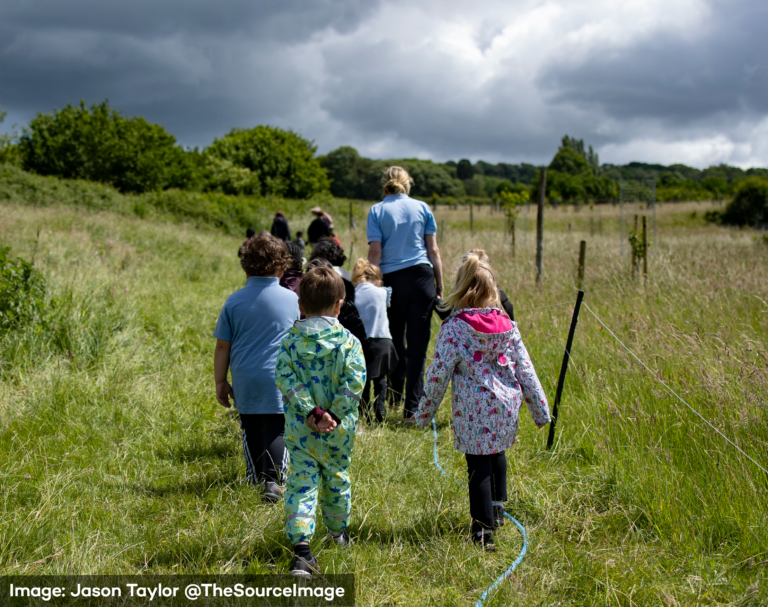
In the first lesson in this pack, children explore a range of different types of footwear and identify the materials they are made from. They describe the properties of these materials that make them suitable for these uses.
Finally, they consider how different animals’ feet are adapted to different habitats and why walking is such a healthy way to travel.
Lesson 2: Why are the different parts of a bicycle made from different materials?
Children build on their learning from the previous lesson to identify different materials that are used to make bicycles. They describe the properties that make these materials suitable for this use and explore alternative materials that could also be used. With reference to the principle of Adaptation, they consider how we can change our behaviours to embrace more active forms of travel.
Lesson 3: How did John Boyd Dunlop use his knowledge of materials to solve a problem?
In the third lesson in this sequence, children learn about the work of John Boyd Dunlop and his design for a rubber tyre. They consider the properties of natural and synthetic rubber that make these materials suitable for use in tyres. They reflect on the work being carried out by scientists and engineers today to make car travel more sustainable.
Lesson 4: How could we use our knowledge of materials and a model of a train carriage to think like a scientist?
This lesson plan provides children with the opportunity to draw on their learning so far to identify the most suitable materials to use to make a model train carriage. They build one and test its strength and durability, and how waterproof it is. They also learn how the streamlined shape of a kingfisher helped inspire the design of the iconic bullet train.
Lesson 5: How has Nature inspired air travel?
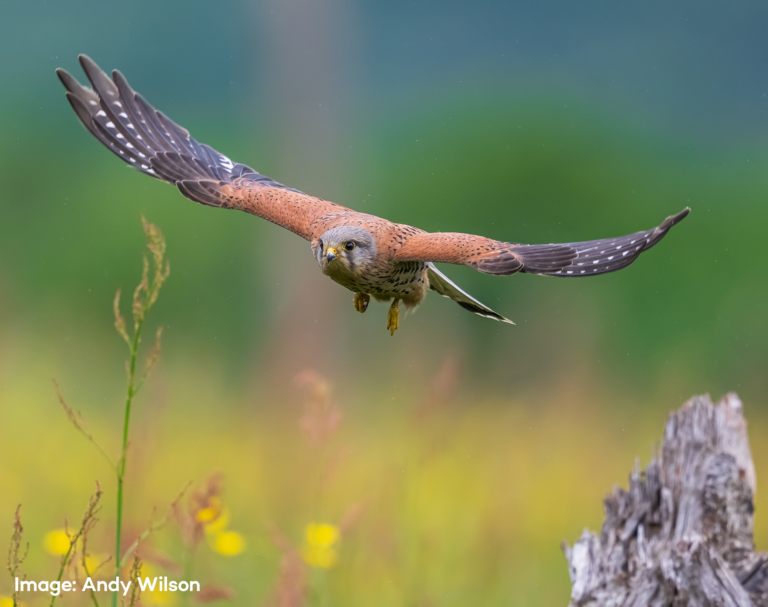
Children compare and contrast the wings and streamlined shape of birds in flight with the design for aeroplanes. They learn about how the materials used to build planes have changed over time and why, with reference to the properties of these materials.
They use different materials to make simple model planes and test how suited these materials are for this use.
Lesson 6: How can our choice of materials improve travel?
In the final lesson, the children learn about innovations that are making travel more sustainable. They draw on their learning about materials to create their own designs for a sustainable form of travel for the future.