Year 2 science lesson plans: Where are the polar regions and why are they changing?
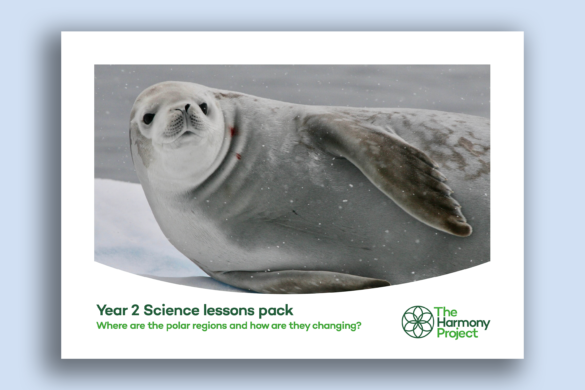
Explore with children the living things found in polar habitats through these lesson plans
The teaching sequence in this pack comprises six science lesson plans aligned with National Curriculum requirements for Year 2 relating to Animals, including humans and Living things and their habitats. The learning builds on children’s prior knowledge of the ecologically diverse world around them gained in the EYFS and their science learning in Year 1 linked to the learning enquiries Where do we live and what makes it special?, What would it be like to live on an island elsewhere in the world? and What will we find at the seaside?.
These science lesson plans provide children with opportunities to learn about the living and non-living elements of polar habitats, how the living things that live in our polar regions are suited to these habitats, and how they depend on one another for food. They learn about the offspring of polar animals and about how our polar regions are changing, what this means for the plants and animals that live there and what we can do about it. The lesson plans include ideas for adapting the learning to suit the needs of all learners and supporting resources are provided. Opportunities to learn in Nature and to link the learning to the school’s Climate Action Plan are also highlighted.
These lesson plans deliver the science content of the Year 2 learning enquiry Where are the polar regions and why are they changing?, which is linked to the principle of Oneness.
Which areas of the National Curriculum are covered?
The lessons in this pack deliver the following National Curriculum statutory requirements for Year 2:
Living things and their habitats
- Explore and compare the differences between things that are living, dead, and things that have never been alive
- Identify that most living things live in habitats to which they are suited and describe how different habitats provide for the basic needs of different kinds of animals and plants, and how they depend on each other
- Identify and name a variety of plants and animals in their habitats, including microhabitats
- Describe how animals obtain their food from plants and other animals, using the idea of a simple food chain, and identify and name different sources of food
Animals, including humans
- Notice that animals, including humans, have offspring which grow into adults
Lesson 1: Where are the polar regions and what would we find there?
In the first lesson in this teaching sequence, children explore the elements of polar habitats that are living, that were living and that have never been alive. They search for things in a local habitat that also fit into these categories to reinforce their understanding. They begin to differentiate between the living things found in the Arctic and in Antarctica and start to learn to identify and name them.
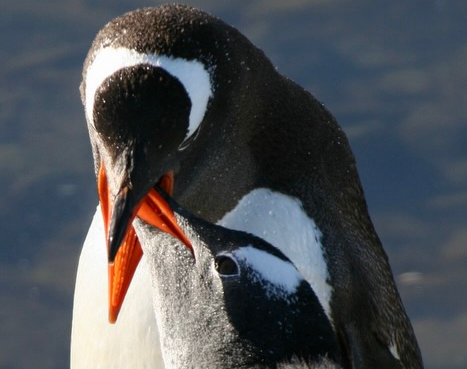
Lesson 2: Which animals live in the polar regions and how do they protect their offspring?
In the next lesson, the children extend their knowledge of animals found in the polar regions by learning about their offspring. Focusing on the emperor penguin or the polar bear, they find out how these animals protect their young and share their learning with the class. They relate this to human relationships.
Lesson 3: How are polar animals suited to their habitat and what are their basic needs?
Focusing again on the emperor penguin and the polar bear, children carry out their own research to find out how these animals are suited to their polar habitat. They share what they have learned with others in the class and learn from them.
Lesson 4: What is an Arctic food chain and why do we need to know?
In this lesson, children learn about how living things in Arctic habitats depend on each other for food, describing their feeding relationships and constructing simple food chains. They relate this to the feeding relationships that exist between living things found in a local habitat.
Lesson 5: How is an Antarctic food chain different from an Arctic food chain?
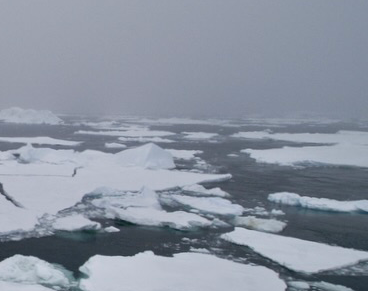
Building on their learning from the previous lesson, children learn how living things in Antarctica depend on each other for food. They describe their feeding relationships and order them in food chains. They reflect on the crucial role that sea ice plays in food chains in Antarctica and how this is threatened.
Lesson 6: Why is ice such an important part of polar habitats?
In the final lesson in this teaching sequence, children carry out a simple investigation into melting ice. They relate this to melting sea ice in the polar regions due to climate change and the impact this is having on polar ecosystems. They consider how saving energy can help to address climate change.