Year 2 science lesson plans: Why are bees so brilliant?
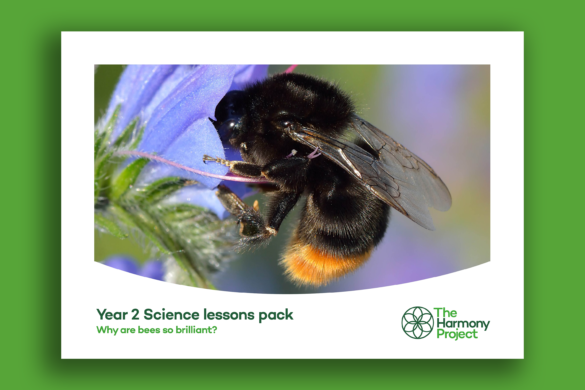
Lesson plans to facilitate learning about bees and how they are suited to different habitats
The six lesson plans in this teaching sequence deliver National Curriculum requirements for Year 2 relating to Living things and their habitats. This learning builds on children’s exploration of the living things found in different habitats in the EYFS and on their prior science learning as part of the Year 1 learning enquiry What will we find at the seaside? and the Year 2 learning enquiry Where are the polar regions and why are they changing?
These lesson plans support children’s learning about different bee species and the habitats and microhabitats they are found in, about how honeybees work together in a colony and about the threats to bees and what we can do to protect them. The lesson plans include opportunities to learn in Nature and to link the learning to the school’s Climate Action Plan and ideas are included for adapting the learning to the needs of all learners. Supporting resources are also included.
The lesson plans in this pack are part of the Year 2 learning enquiry Why are bees so brilliant?, linked to the principle of Interdependence.
Which areas of the National Curriculum are covered?
The lessons in this pack deliver the following National Curriculum statutory requirements for Year 2:
Living things and their habitats
- Identify that most living things live in habitats to which they are suited and describe how different habitats provide for the basic needs of different kinds of animals and plants, and how they depend on each other
- Identify and name a variety of plants and animals in their habitats, including microhabitats
- Describe how animals obtain their food from plants and other animals, using the idea of a simple food chain, and identify and name different sources of food
Lesson 1: What habitats do bees live in?
In the first lesson in this teaching sequence, the children learn the difference between habitats and microhabitats. They use this knowledge to find out about different bee species and the habitats and microhabitats they can be found in. Outside, the children search for bee-friendly habitats and microhabitats, and use the information on the supporting resource to identify which species of bee would be best suited to them.
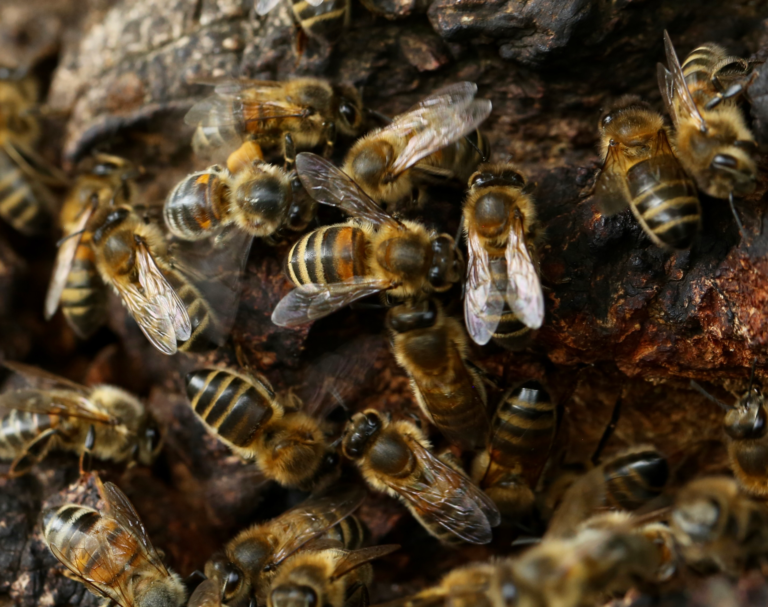
Lesson 2: How do wild honeybees depend on their habitat and each other?
Wild honeybees and the microhabitats they establish their colonies in are the focus of this lesson. Children learn about the roles that individual bees in a wild honeybee colony fulfil and how they work together to collect nectar and pollen from their wider habitat. They reflect on the principle of Interdependence and on how we rely on one another in our own lives.
Lesson 3: How do bees get food from flowers?
In the third lesson in this teaching sequence, children learn how bees gather nectar and pollen from flowers in their habitat and what makes a bee-friendly habitat.
Their are opportunities to learn in Nature as children assess the school grounds or a location in the local area to determine how bee friendly it is. They reflect on what could be done to make it a more bee-friendly habitat.
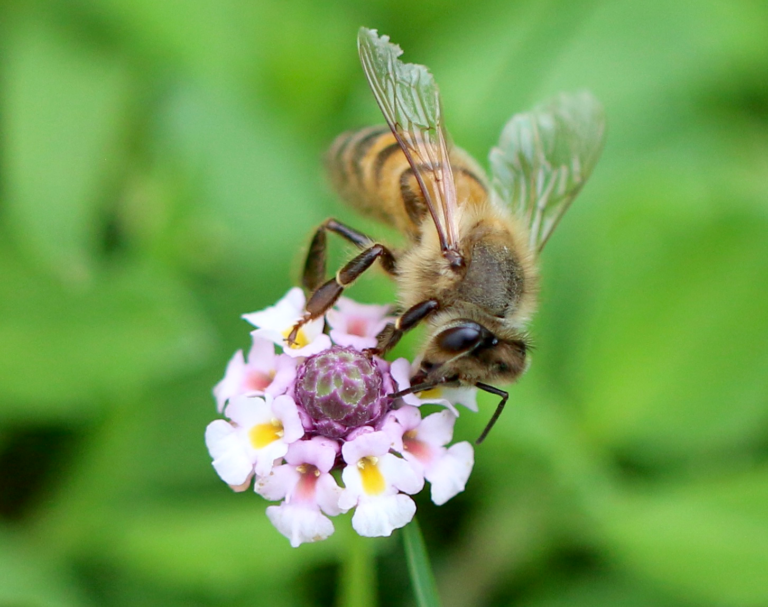
Lesson 4: Why do we need bees?
This lesson plan supports learning in Nature, as children observe bees visiting flowers in an outdoor space. They learn that bees help flowering plants make seeds and fruit as they spread pollen from flower to flower. They apply this knowledge to their understanding of food chains, which they explored in their science learning linked to the learning enquiry Where are the polar regions and why are they changing? and reflect on the important role bees play in supporting ecosystems and food production.
Lesson 5: What things threaten bees?
Children learn about and research some of the threats to bees to contribute to a class mind map. They draw on this to create posters educating others about the threats to bees. They also find out about how some bees are adapting to live alongside humans in urban habitats.
Lesson 6: What can we do to help bees?
In the final lesson in this sequence, children add to their learning from the previous lesson to identify actions we can all take that help to protect bees and create more bee-friendly habitats. They use their knowledge and understanding to create bee-friendly action plans and share these with others.