Year 2 science lesson plans: What can we learn about the plants that grow in the UK?
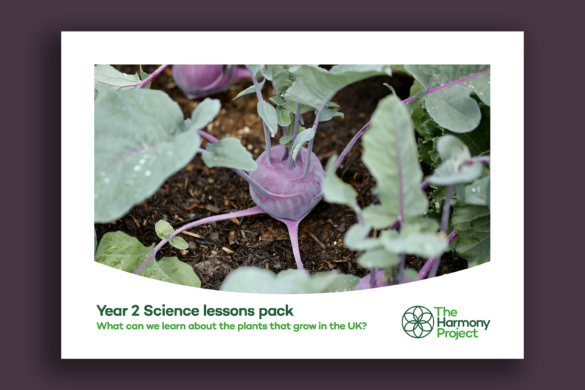
Children get to know some of the plants that grow in UK habitats and what they need to survive
This teaching pack contains six sequenced science lesson plans that deliver National Curriculum requirements for Year 2 relating to Plants and Living things and their habitats. The content builds on children’s hands-on exploration of bulb and seed planting and growing food in the EYFS and their prior science learning in Year 1 as part of the learning enquiry Which is my favourite wildflower and why?
Throughout the learning supported by these lesson plans, children learn how plants grow from seeds and bulbs, what plants need to grow and thrive and about some of the plants that grow in UK habitats. The lesson plans feature opportunities for children to learn in Nature and to grow food, and include supporting resources. Ideas are provided to help adapt the learning to the needs of all learners and, where links can be made between the learning and the school’s Climate Action Plan, these are highlighted.
These lesson plans deliver the science element of the learning enquiry What can we learn about the plants that grow in the UK?, which is linked to the principle of Diversity.
Lesson 1: How does a plant begin?
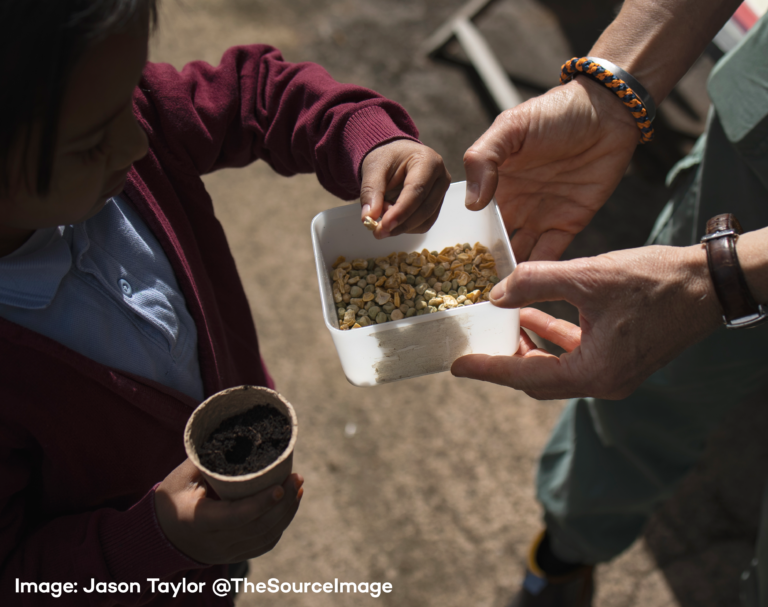
In the first lesson in this teaching sequence, children handle and observe a variety of seeds. They reflect on their common structural features and their differences.
They are introduced to the concept of germination and sow seeds to observe throughout the half term. They have opportunities to sow baby spinach and lettuce seeds so that they can harvest the plants that grow from them to make a ‘celebration salad’.
Lesson 2: Do all plants begin in the same way?
Children build on their learning from the previous lesson, handling and observing a variety of bulbs and comparing their structure to that of seeds.
They plant bulbs so that they can observe their growth throughout the rest of the teaching sequence and make predictions about what they think they will see. They reflect on the fact that the diversity of plants on our planet supports a diversity of life.
Lesson 3: Do plants need water to grow well?
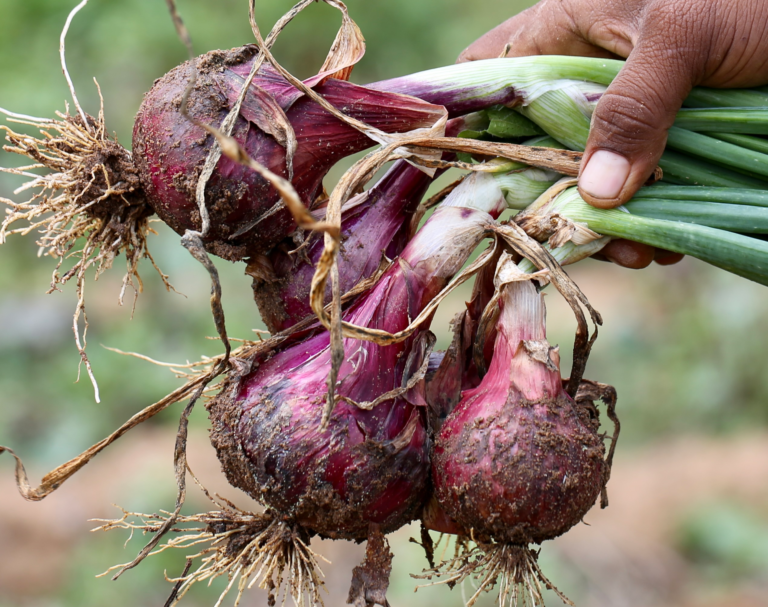
In this lesson, children make close observations of different edible plant roots that we know more commonly as root vegetables. They identify similarities and differences between them and learn about the function of roots in providing a plant with water. They set up a simple investigation to find out whether water is essential for a plant to grow well and make predictions about what they will find out.
Lesson 4: Can plants grow in the dark?
Children have the opportunity to learn in Nature in this lesson, looking for and observing a variety of leaves in a growing area or green space and identifying similarities and differences.
They learn about the function of leaves and set up a simple investigation to find out whether light is essential for plant growth.
Lesson 5: How does temperature affect plants?
In the fifth lesson in this teaching sequence, children find out about the optimum temperature needed to grow a range of plants, from snowdrops to sunflowers. They learn in Nature by locating and identifying plants that grow in cooler and hotter locations in the school grounds. They reflect on the diversity of temperatures at which different plants grow best and how this allows a huge range of plants to grow in a range of habitats.
Lesson 6: How are plants suited to UK habitats?
The learning in this sequence concludes with a lesson exploring the plants that grow in a range of habitats in the UK, from our coasts to woodlands and wetlands. Children match different plants to the habitats to which they are best suited and find out about their adaptations. They reflect on the huge diversity of plant life found in the UK.