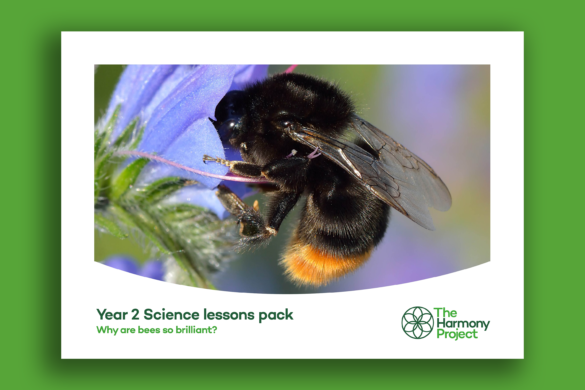
Year 2 science lesson plans: Why should we reduce, reuse and recycle?
Lesson plans to support children's exploration of everyday materials, where they come from and how we can make better use of them
The six science lesson plans in this teaching sequence deliver National Curriculum requirements for Year 2 relating to Uses of everyday materials. They build on children’s learning about objects and the materials they are made from in the EYFS and on their prior science learning in the Year 1 learning enquiry What stories could our toys and games tell? and the Year 2 learning enquiry Why should we change the way we travel?
As part of the learning supported by these lesson plans, children find out about where some of the materials we encounter every day come from and what their environmental impact is. They consider the properties of materials that make them suitable for different uses and explore how we can make better use of materials by reducing what we consume, reusing things wherever possible and recycling. They find out what can be recycled in their local area and about new, more sustainable materials scientists are developing.
Activities that give children the opportunity to learn in Nature are woven into these lesson plans and each lesson plan features ideas to adapt the learning to meet the needs of all learners. Supporting resources and links between the learning and the school’s Climate Action Plan are also highlighted.
These lesson plans form part of the learning enquiry Why should we reduce, reuse and recycle?, linked to the principle of the Cycle.
Which areas of the National Curriculum are covered?
The lessons in this pack deliver the following National Curriculum statutory requirements for Year 2:
Uses of everyday materials
- Identify and compare the suitability of a variety of everyday materials, including wood, metal, plastic, glass, brick, rock, paper and cardboard for particular uses
- Find out how the shapes of solid objects made from some materials can be changed by squashing, bending, twisting and stretching
Lesson 1: Why do we need to use materials carefully?
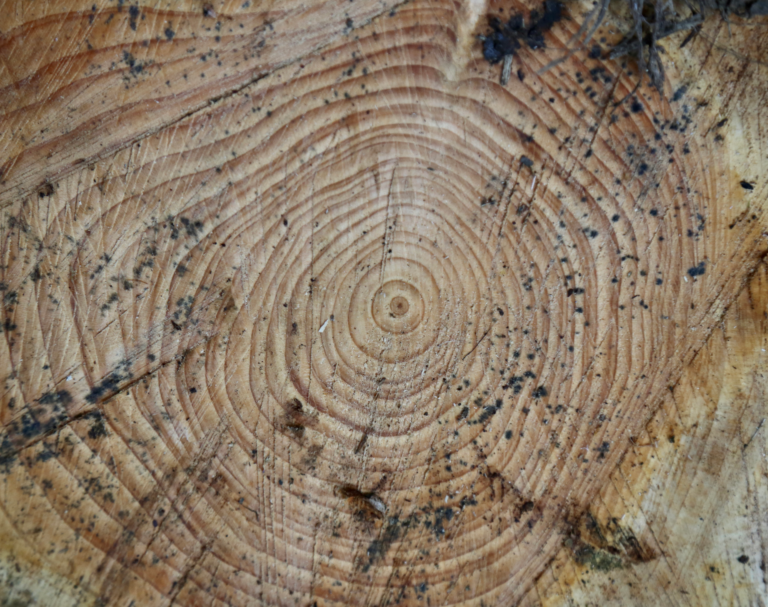
In the first lesson in this teaching sequence, children identify the materials that a range of everyday objects are made from and sort them into groups accordingly. They consider the range of objects that can be made from the same material. They pose questions about where these materials come from and use their own research to find out. They consider the difference between finite and renewable resources and the environmental impact of some of the materials we use every day.
Lesson 2: Why do we use different materials to make different things?
Children identify that different materials can be used to make the same object and reflect on the shared properties that make these materials suitable for this use. They ask ‘What if…’ questions to suggest why some materials would be unsuitable for this use. They use this knowledge to explore how single-use items can be replaced by reusable items by changing the material from which they are made. They reflect on how this makes better use of materials.
Lesson 3: What are stretchy materials useful for and how can we make better use of them?
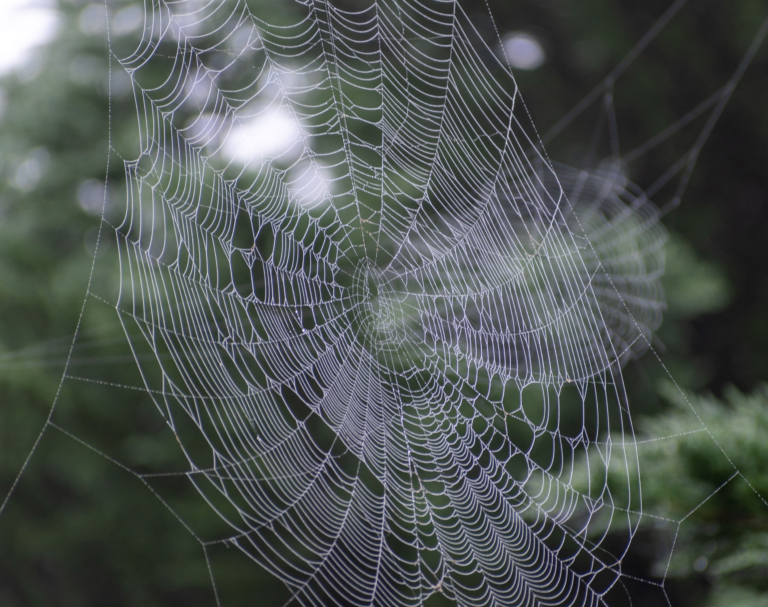
At the start of this lesson, children learn that spider silk and rubber are examples of stretchy materials in Nature. They carry out a simple investigation to find out how stretchy different everyday materials are.
They consider how people have used stretchy natural materials as inspiration to create new materials with similar properties.
Lesson 4: How can we change the shape of materials and why is this useful?
In the fourth lesson in this teaching sequence, children explore how else the shape of some materials can be changed and why this is useful. They observe how twisting is used to make twine, and repurpose old newspaper to create their own paper twine. They consider how animals routinely reuse and repurpose natural objects and how this can inspire us to live in more sustainable ways.
Lesson 5: What materials can we recycle where we live?
In this lesson, the children identify the materials that many waste items are made from and find out which ones can be recycled where they live. They learn how squashing can help determine whether some waste items are likely to be recyclable and how squashing can help us to recycle more effectively. They reflect on the fact that everything in the natural world is recycled and that this can inspire us to live in more sustainable ways.
Lesson 6: Why are scientists creating new materials?
In the final lesson in this teaching sequence, children find out about new, more sustainable materials that scientists are developing to help reduce the amount of plastic waste we produce. Through handling and close observation, they identify the properties that some of these new materials have in common with conventional plastics.