Year 1 science lesson plans: What will we find at the seaside?
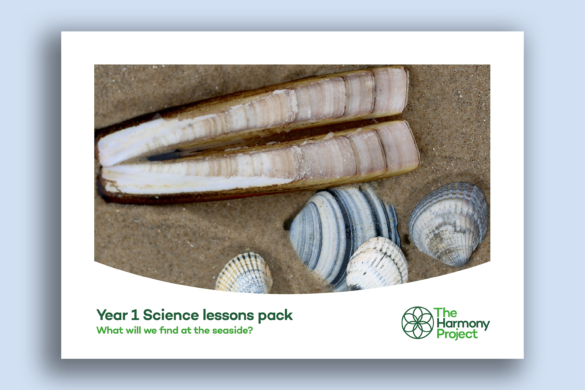
Lesson plans to support learning about living things on our coasts, plastic pollution and day length
This pack contains six lesson plans and supporting resources aligned with National Curriculum requirements for Year 1 relating to Animals, including humans, Everyday materials and Seasonal changes. They build on children’s learning about animals and their habitats, materials and changes through the seasons in the EYFS.
The sequenced science lesson plans invite children to learn how day length and the weather associated with different seasons varies through the year as they plan a trip to the seaside. They learn about some of the living things that they might find there and how they are interdependent. The final two lesson plans explore the impact of plastic pollution on marine life and what we can do to address it. Each lesson plan offers ideas to adapt the learning to meet the needs of all learners. Opportunities to link the learning with the school’s Climate Action Plan are also highlighted.
These six lesson plans support the Year 1 learning enquiry What will we find at the seaside?, which is linked to the principle of Interdependence.
Which areas of the National Curriculum are covered?
The lessons in this pack deliver the following National Curriculum statutory requirements for Year 1:
Animals, including humans
- Identify and name a variety of common animals including fish, amphibians, reptiles, birds and mammals
- Identify and name a variety of common animals that are carnivores, herbivores and omnivores
- Describe and compare the structure of a variety of common animals
Everyday materials
- Distinguish between an object and the material from which it is made
- Identify and name a variety of everyday materials, including wood, plastic, glass, metal, water, and rock
Seasonal changes
- Observe changes across the four seasons
- Observe and describe weather associated with the seasons and how day length varies
Lesson 1: When would I like to visit the seaside?
In the first lesson in this teaching sequence, children explore what the seaside looks like at different times of year, linked to the weather associated with different seasons. They relate this to what their local area looks like and what the weather is like there in the summer at at different times of year, using simple equipment to record data in their Nature journals.
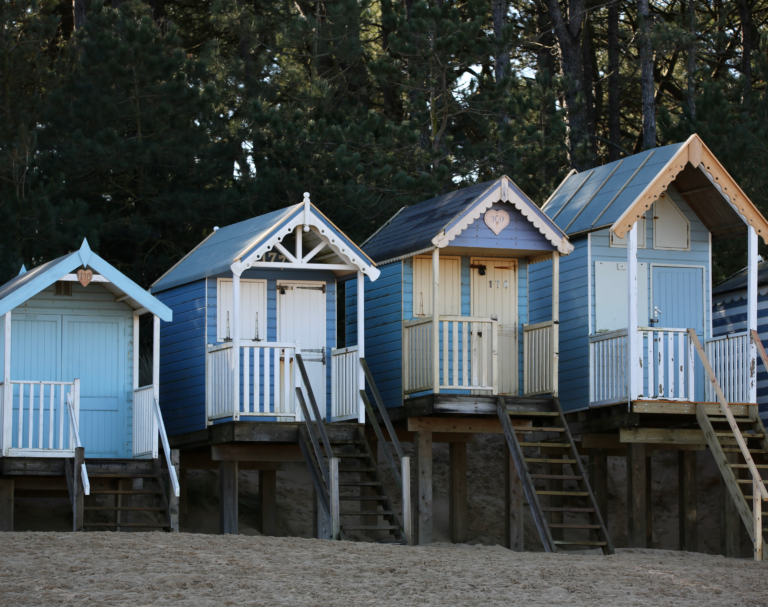
Lesson 2: How would I spend a day at the seaside?
In the second lesson, the children learn about how day length varies at different times of year. They use this knowledge to plan a day by the seaside in summer and in winter, creating a whole-class model outside to support their understanding.
They reflect on how the changing seasons can affect our own behaviour and relate this to the changes we see through the year in Nature.
Lesson 3: Why do some living things have shells?
This lesson plan encourages children to compare how the structure of animals with shells is similar or different to other animals they have encountered through their science learning in the learning enquiries Where do we live and what makes it special? and What would it be like to live on an island elsewhere in the world? They handle and observe a variety of shells and learn about their function.
Lesson 4: How do the living things in a rockpool depend on one another?
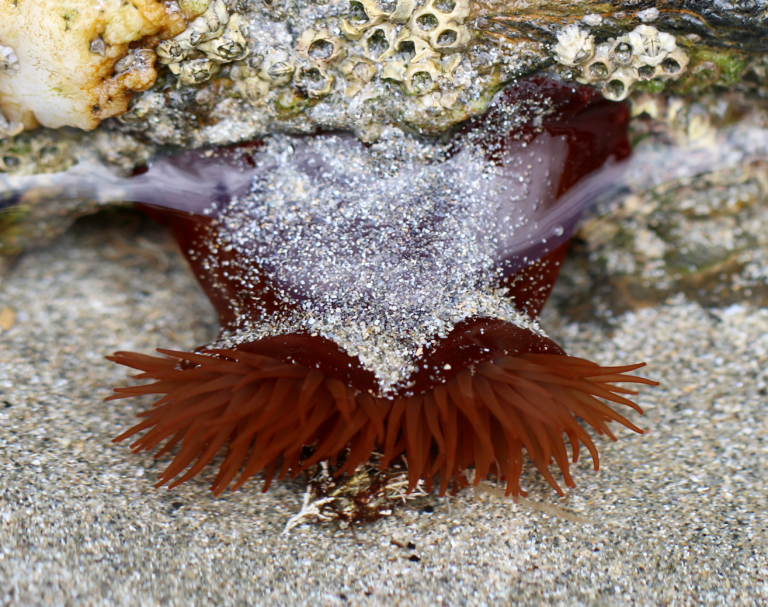
Children are introduced to the amazing world of rockpools in the fourth lesson in this teaching sequence.
They learn to identify and name some of the living things found in rockpools and find out about the different ways in which they are interdependent. They create a whole-class model of a rockpool outside to aid their understanding.
Lesson 5: What materials do we find on our beaches?
In this lesson, children learn about items typically found on our beaches and the materials they are made from. They sort items commonly found on beaches in the UK by material and investigate which of them sink and which float. They begin to consider which are natural materials and which are made by people.
Lesson 6: Which materials don’t belong on our beaches?
Building on their learning from the previous lesson, children are introduced to the concept of beach litter and why is it a problem. They carry out a litter pick in their local area and identify the materials that the litter they collect is made from. They relate this to the litter that ends up polluting our seas, oceans and coastline and learn about what we can do to prevent this.