Year 1 science lesson plans: What stories could our toys and games tell?
Lesson plans to facilitate children's learning about the materials our toys and games are made from
This pack contains six lesson plans that deliver National Curriculum requirements for Year 1 relating to Everyday materials. The learning sequence builds on children’s learning about everyday objects and the materials they are made from in the EYFS.
Children learn to distinguish toys and games from the materials they are made from and identify and name a variety of materials used to make toys. They explore the materials that are better for the health of our planet, and reflect on how we can take care of our toys and games to ensure we make the best use of the precious materials they are made from. There are opportunities to learn in Nature and the pack includes supporting resources and ideas for adapting the learning to suit the needs of all learners. Links between the learning and the school’s Climate Action Plan are also highlighted.
This teaching sequence has been developed as part of the Year 1 learning enquiry What stories could our toys and games tell?, linked to the principle of Health.
Which areas of the National Curriculum are covered?
The lessons in this pack deliver the following National Curriculum statutory requirements for Year 1:
Everyday materials
- Identify and name a variety of everyday materials, including wood, plastic, glass, metal, water and rock.
- Distinguish between an object and the material from which it is made.
- Describe the simple physical properties of a variety of everyday materials.
- Compare and group together a variety of everyday materials on the basis of their simple physical properties.
Lesson 1: What everyday materials can I name?
In this lesson, children learn to distinguish between objects and the materials from which they are made, and between natural materials and materials made by people. They take part in a treasure hunt in an outdoor play area to find objects made from specific materials. They role play being ‘materials tour guides’ using their knowledge and understanding to present all that they know about different materials to other children.
Lesson 2: What are our toys made from?
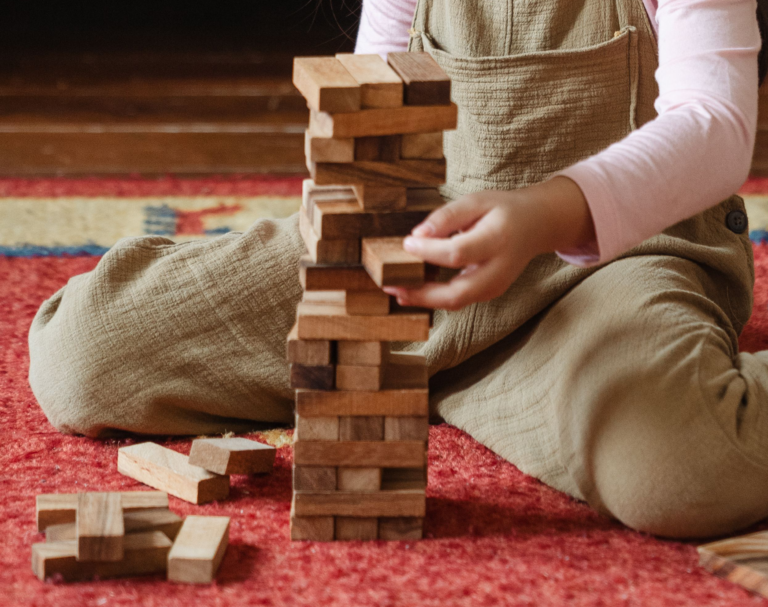
The second lesson in this pack gives children the opportunity to group toys according to the materials they are made from. They begin to explore where some of these materials come from. They consider how toys and games can be passed on when we have finished with them so others can use them and how this makes good use of the materials they are made from.
Lesson 3: Why are different toys made from different materials?
The next lesson in this sequence invites children to start to consider the properties of different materials that toys and games are made from and why certain materials aren’t used to make toys and games. They investigate the properties of the materials used to make different toys.
Lesson 4: How can we group the toys in our toy museum?
In this lesson, the children decide on criteria relating to materials that they could use to group toys for display in a class toy museum, then organise them accordingly. They present their display to the rest of the class and create simple labels to explain their groupings. Outside, they look for objects they could add to each group on the basis of the materials from which they are made.
Lesson 5: Is a stick a good toy?
In the fifth lesson in this pack, the children are challenged to use their imaginations to devise toys and games using sticks. They present their ideas to other children before assessing the durability of sticks as toys with reference to the properties of wood.
Lesson 6: Which materials would I use to create a toy that is good for my health and for Nature’s health?
The final lesson in this sequence focuses on materials from which natural, autumnal objects are made. Outside, the children invent and play games with the natural objects they find there and share these with others. They reflect on the sustainability of imaginative play using natural found objects.