Year 1 science lesson plans: Where do we live and what makes it special?
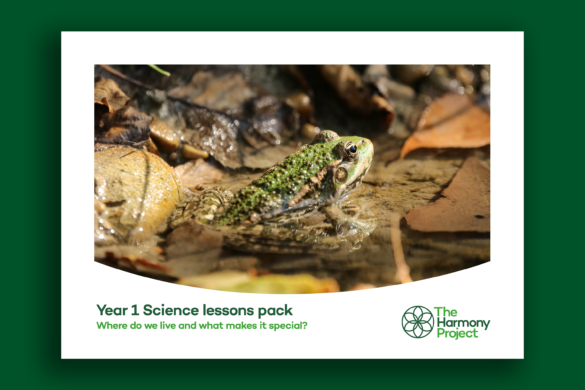
Lesson plans to support children's learning about animals in their local area
The six lesson plans in this learning sequence deliver National Curriculum requirements for Year 1 relating to Animals, including humans and Seasonal changes. They build on children’s learning about the ecologically diverse world around them in the EYFS.
Each lesson focuses on a different group of animals native to the UK: birds, mammals, amphibians, reptiles and fish. Children become familiar with the animals that live in their local area and those we share our homes with: our pets. Throughout the learning, children have the opportunity to learn in Nature; they observe and begin to understand seasonal change through their own experiences. Supporting resources are included in the pack, along with ideas for adapting the learning to suit the needs of all learners. Where links can be made between the learning and the school’s Climate Action Plan, these are highlighted.
This teaching sequence supports the content of the Year 1 learning enquiry Where do we live and what makes it special?, linked to the principle of Adaptation.
Which areas of the National Curriculum are covered?
The lessons in this pack deliver the following National Curriculum statutory requirements for Year 1:
Animals, including humans
- Identify and name a variety of common animals including fish, amphibians, reptiles, birds and mammals
- Identify and name a variety of common animals that are carnivores, herbivores and omnivores
- Describe and compare the structure of a variety of common animals (fish, amphibians, reptiles, birds and mammals, including pets)
Seasonal changes
- Observe changes across the four seasons; observe and describe weather associated with the seasons
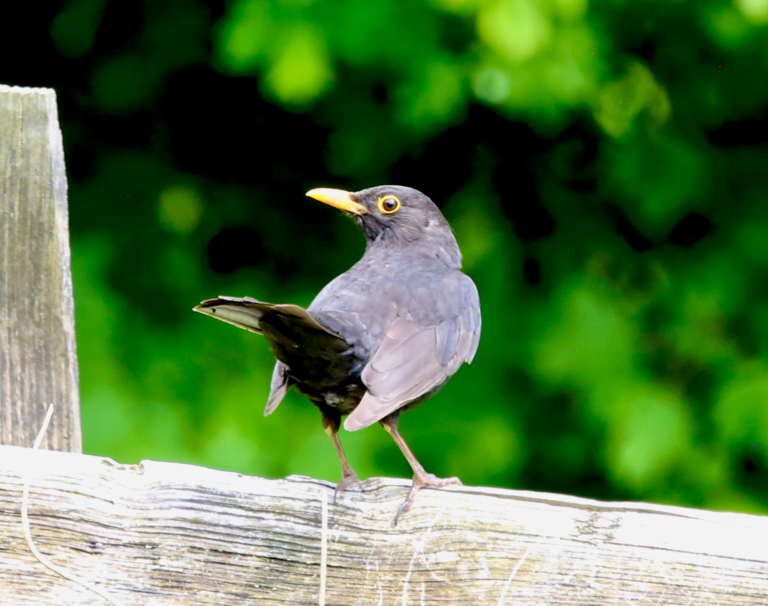
Lesson 1: How many native birds can I identify and name?
The learning in this sequence begins with an opportunity for the children to observe and compare the skeletons of different vertebrates.
They learn how to identify birds in their local area and find out what they eat, recording what they have found out in their Nature journals.
Lesson 2: How can we describe different native mammals?
In the second lesson, the children extend their knowledge of vertebrates by learning about mammals in their local area and their habitats. They observe seasonal change at a local level and relate this to the mammals they might see at different times of year. They consider how they can help look after the wildlife local to them.
Lesson 3: What do we know about amphibians?
The children’s learning about vertebrates native to the UK continues with a focus on amphibians. They learn to identify a range of amphibians, observe their structure and find out about the habitats they can be found in. They consider the important role these animals play in sustaining healthy, natural systems and what we can do to help protect them.
Lesson 4: Are reptiles the same as amphibians?
In this lesson, the children compare the structure and appearance of amphibians and reptiles and learn how to tell them apart. They learn about what the UK’s native reptiles eat and how they are suited to the habitats in which they live.
Lesson 5: How can we identify and describe native fish?
Next, the children learn about the structure and appearance of fish native to the UK and learn how to identify and name some of them. They compare their structure to that of other vertebrates they have learned about and find out about their diet. They begin to consider the role of healthy rivers in sustaining healthy fish populations.
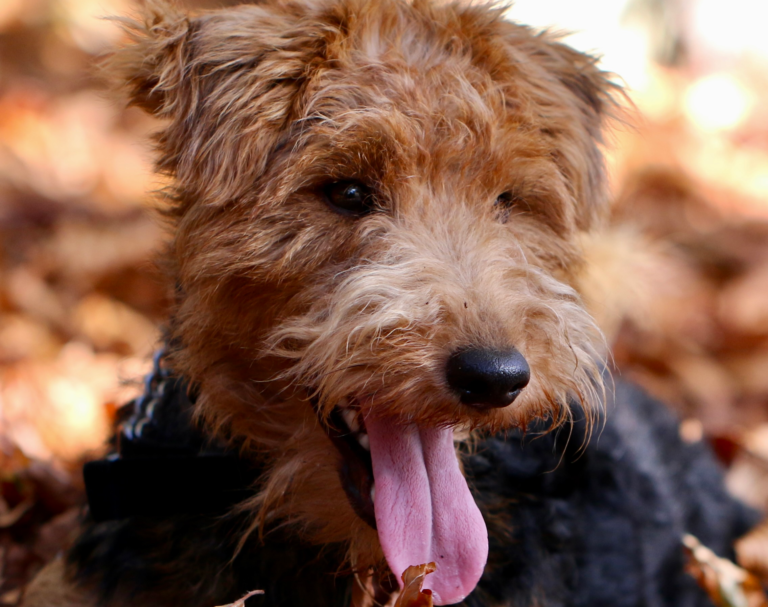
Lesson 6: How can we compare and classify our pets?
In the final lesson in this sequence, the children apply their learning about the structure and appearance of a range of vertebrates to group and classify some of the pets we share our homes with.
They reflect on what they can do to improve their local area for the animals that live there.