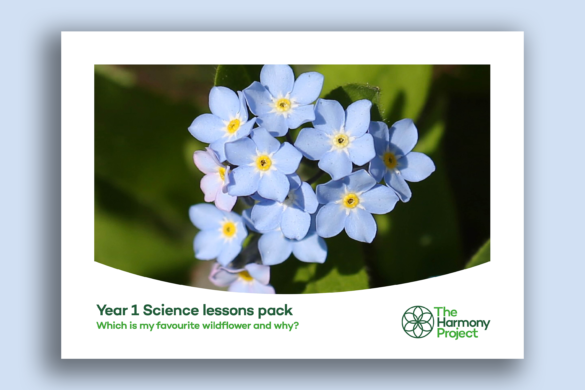
Year 1 science lesson plans: Which is my favourite wildflower and why?
Children learn about wildflowers and their structure in these six science lesson plans
This pack features six lesson plans that deliver National Curriculum requirements for Year 1 relating to Plants and Seasonal changes. They provide opportunities for children to extend the knowledge of plants they gained in the EYFS through hands-on activities such as planting seeds and bulbs, observing growth and growing food.
During the six lessons that these lesson plans support, children learn to name and identify common wildflowers and explore their structure. Linked to this, they learn about evergreen and deciduous trees and plants, and observe changes through the seasons linked to plant growth and flowering. The lesson plans include activities that allow for learning in Nature, along with supporting resources and ideas for adapting learning to support the needs of all learners. Where there are opportunities to link the learning with the school’s Climate Action Plan, these are highlighted.
This teaching sequence has been developed to support the Year 1 learning enquiry Which is my favourite wildflower and why?, linked to the principle of the Cycle.
Which areas of the National Curriculum are covered?
The lessons in this pack deliver the following National Curriculum statutory requirements for Year 1:
Plants
- Identify and name a variety of common wild and garden plants, including deciduous and evergreen trees
- Identify and describe the basic structure of a variety of common flowering plants, including trees
Seasonal changes
- Observe changes across the four seasons; observe and describe weather associated with the seasons
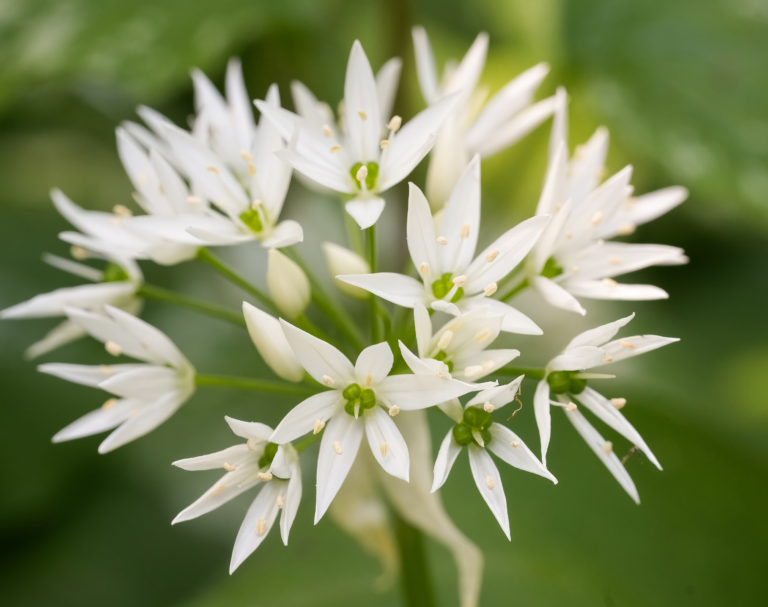
Lesson 1: What are wildflowers and where do we find them?
In the first lesson in this sequence, children learn that a wildflower is a flowering plant that grows naturally in its habitat without intervention by people. They search for wildflowers in their local area and reflect on where they grow.
They use identification guides to start to identify and name common wildflower plants.
Lesson 2: What’s the same and what’s different about plants?
Focusing on wildflowers, the children identify the different parts of wildflower plants and compare them. They describe the structure of wildflowers plants and compare this to the structure of others plants they are familiar with.
Lesson 3: How do plants get water?
The learning delivered through this lesson plan invites children to explore the important roles that roots and stems play in the life of wildflower plants. They use magnifiers to observe the roots and stem of a daisy or dandelion plant and describe them. They begin to relate the roots and stems of plants with the absorption and transport of water.
Lesson 4: Why are flowers important?
The fourth lesson in this teaching sequence focuses on another part of wildflower plants: flowers. The children observe the variety that exists in flower colour and shape. They begin to explore the important relationship between flowers and pollinators and learn that wildflowers are an important food source for these insects. They take part in a pollinator watch and learn to identify some common pollinators.
Lesson 5: How do bees, butterflies, and other insects help plants?
In this lesson, children take on the role of pollinators and learn through play how these important insects spread pollen from wildflower to wildflower. They begin to relate this to the plant’s production of seeds.
They reflect on the importance of wildflowers and wildflower meadows and begin to link plants’ seed production to their life cycle.
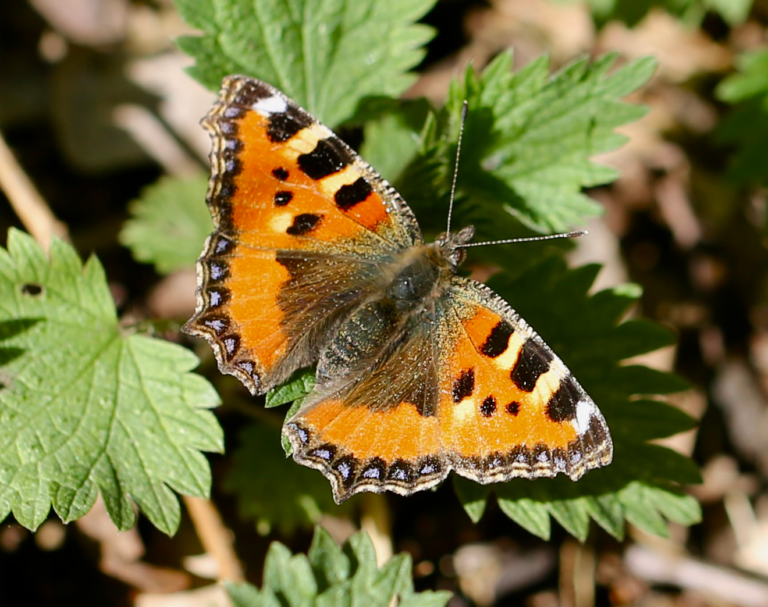
Lesson 6: How do flowering plants and trees change through the seasons?
In the final lesson in this learning sequence, children compare and contrast the changes to wildflower plants through the seasons with the observable changes to deciduous and evergreen trees through the seasons. They reflect on the seasonal changes they have noticed in their outdoor learning and relate this to their observations about the weather in spring.